Merdeka & The New Independence in Project Management
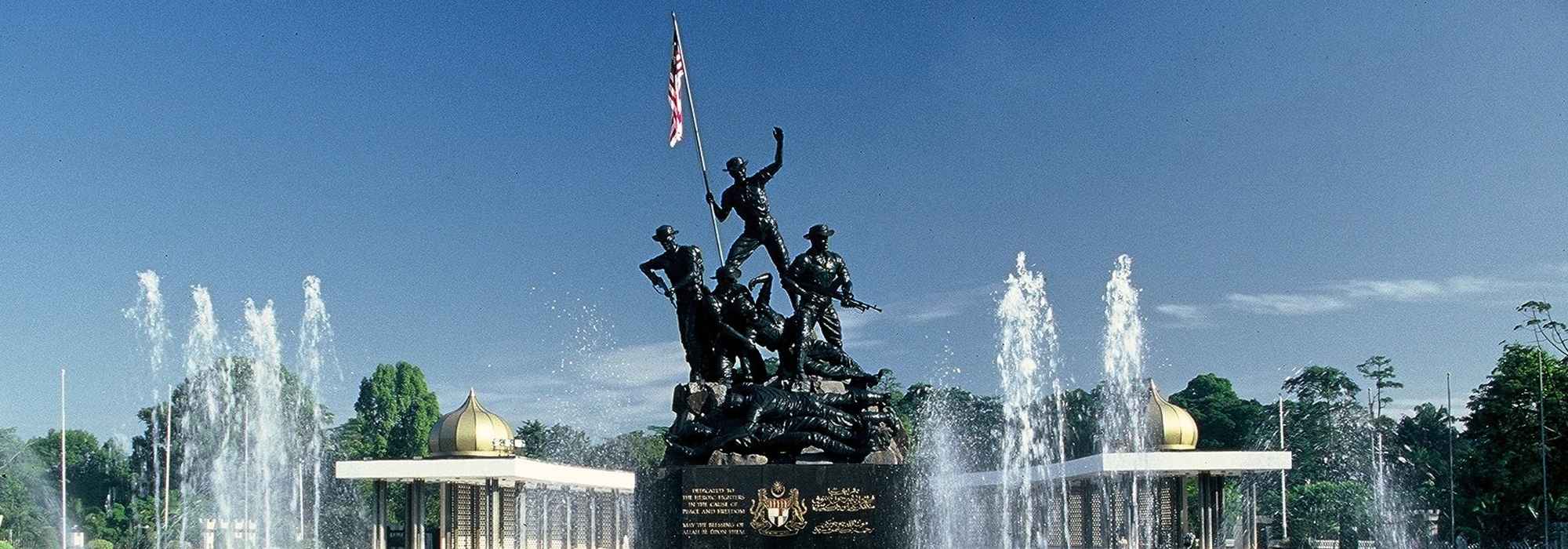
Every year on 31st August, Malaysia celebrates Merdeka Day, a defining moment that marked the nation’s political, social, and economic independence. It was the starting point for a young country to chart its own destiny, to grow, and to prosper.
As we reflect on this independence at a national level, perhaps it is time to envision a new kind of independence—an independence in how we manage projects. Specifically, an independence from outdated practices that allow infrastructure projects to contribute to environmental degradation, economic disparity, and social inequality.
From the Bottom Line to the Triple Bottom Line
For too long, infrastructure projects have been justified on the basis of profit alone. While economic returns are important, they cannot remain the sole measure of success. The future calls for a transition from a single bottom line mindset to a triple bottom line perspective. This is where every project is evaluated not only for profit (economic growth), but also for its impact on people (social welfare) and the planet (environmental sustainability).
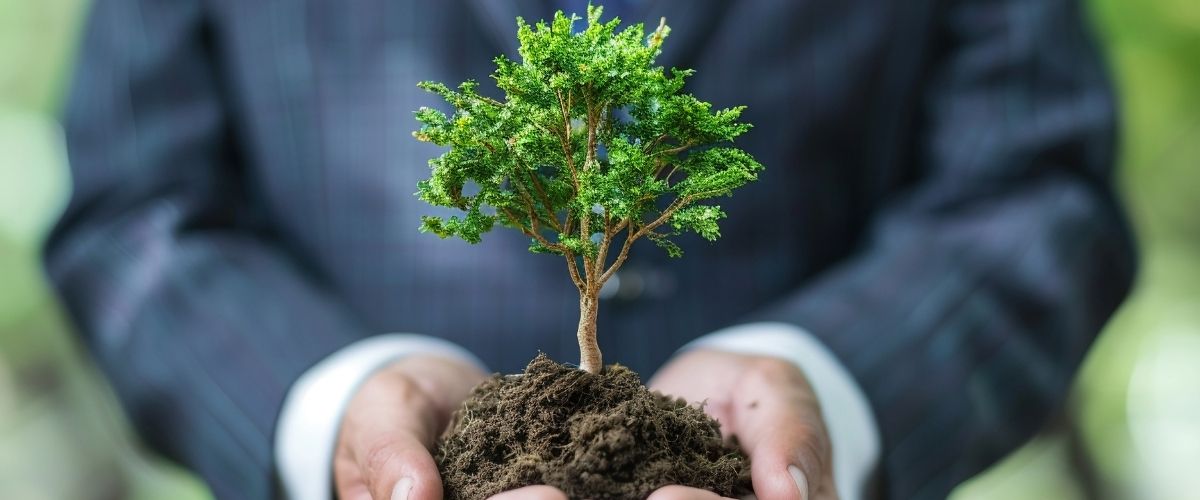
Project managers must become the stewards of this transition. By aligning project outcomes with human welfare, environmental sustainability, and economic prosperity, they can elevate the profession into one that is not only about building structures, but about building a future.
From Silos to Collaboration
When Malaysia celebrates Merdeka, its citizens rejoice collectively and rally around a shared identity. In the same way, project teams must cast aside silos and embrace a collaborative culture that integrates different disciplines, functions, and perspectives.
Only through collaboration can we achieve projects that deliver not just business value, but also social harmony, environmental balance, and inclusive growth.

Embedding Sustainability into Project Practice
-
Deeply assess project impacts: Understanding both the positive and negative effects on society, economy, and environment.
-
Proactively integrate sustainability: Building plans that minimize harm and maximize long-term value.
-
Remain adaptable: Staying ready to recalibrate strategies as new risks, challenges, or opportunities emerge.
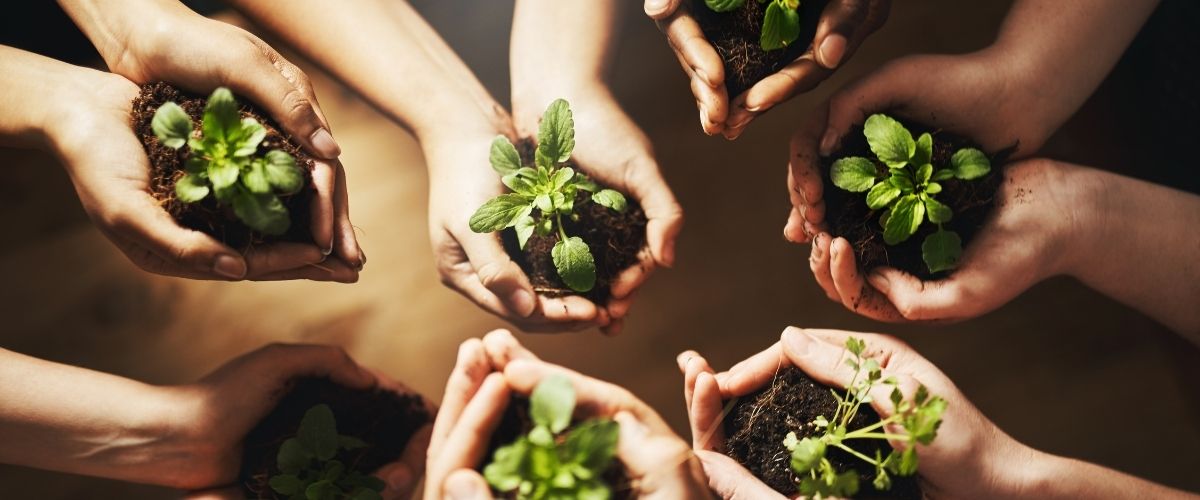
By embedding sustainability in planning and execution, project managers will show their ability to act intelligently and responsibly, protecting ecosystems while enabling progress.
A Merdeka Mindset for Projects

Conclusion