
Fear: The Hidden Flame Behind War
A Leadership Reflection
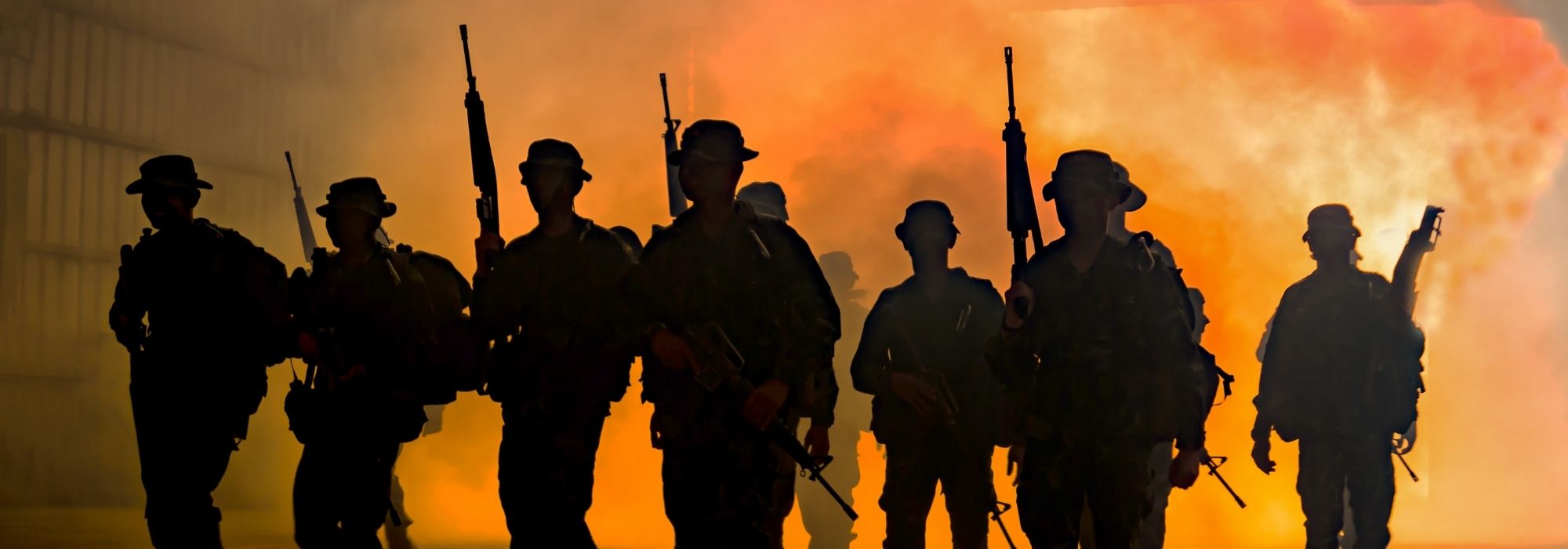
In many corners of the world today, and most notably in the Middle East, hostilities rage on. Beneath the surface of political declarations, territorial disputes, and ideological standoffs, lies a quieter, more insidious force—fear. It is not always visible, but it drives decisions, provokes aggression, and sustains conflict. Fear of being overpowered, subjugated, or humiliated by an opposing force. Fear of losing control, territory, or influence. Ironically, these fears exist on both sides of every divide, creating a mirror of mutual suspicion.
But what gives birth to such fear?
When we begin to question this belief in irreconcilable differences—whether among nations or among teams—we make space for a more profound truth to emerge: the oneness of humanity, the interconnectedness of purpose. Differences do not have to divide. In fact, when embraced with openness and curiosity, they enrich the whole.

The realization that we are more alike than different doesn’t deny the value of diversity—it elevates it. It helps dissolve the illusion of separateness that fuels our fears. And once fear loosens its grip, a more compassionate, stable, and visionary form of leadership can take root.
Peace—lasting peace—is not achieved by overpowering others or silencing dissent. It is achieved when the fear of loss no longer dictates our actions. When we can see the human being behind the opposing viewpoint. When we can trust that collaboration is more powerful than control.
For leaders today—whether in government, business, or community—the lesson is clear: Fear may win battles, but only trust and unity can build the future. As long as fear remains the hidden flame behind our decisions, true progress will elude us. But if we dare to lead from a place of inner security and shared humanity, we can ignite a different kind of fire—a fire that warms, enlightens, and ultimately heals.